
Five ways to bring gesture into science lessons

In our research with children and teachers, a few simple ideas kept coming up. None of them need special equipment. Here are five to try.
1. Value what children show, not just what they say. Gestures, drawings and actions can tell you what a child understands, especially if they find it hard to put ideas into words.
2. Ask them to show you. "Can you show me with your hands?" is a powerful question in science.
3. Build on their gestures. If a child tips their hand to show a seesaw, use it. Ask what would happen if the weight moved, and talk about it together.
4. Compare gestures. Ask children to look at each other's gestures and talk about what they mean. Different gestures can show different ideas about the same thing.
5. Use your own gestures. Point to draw attention to what matters, and use your hands to show the idea behind an action, like the pivot of a balance. Children often pick up the gestures the adults around them use.
These are ideas from research rather than hard rules, and they work best alongside plenty of hands-on experience: nature walks, outdoor learning, water and sand play.
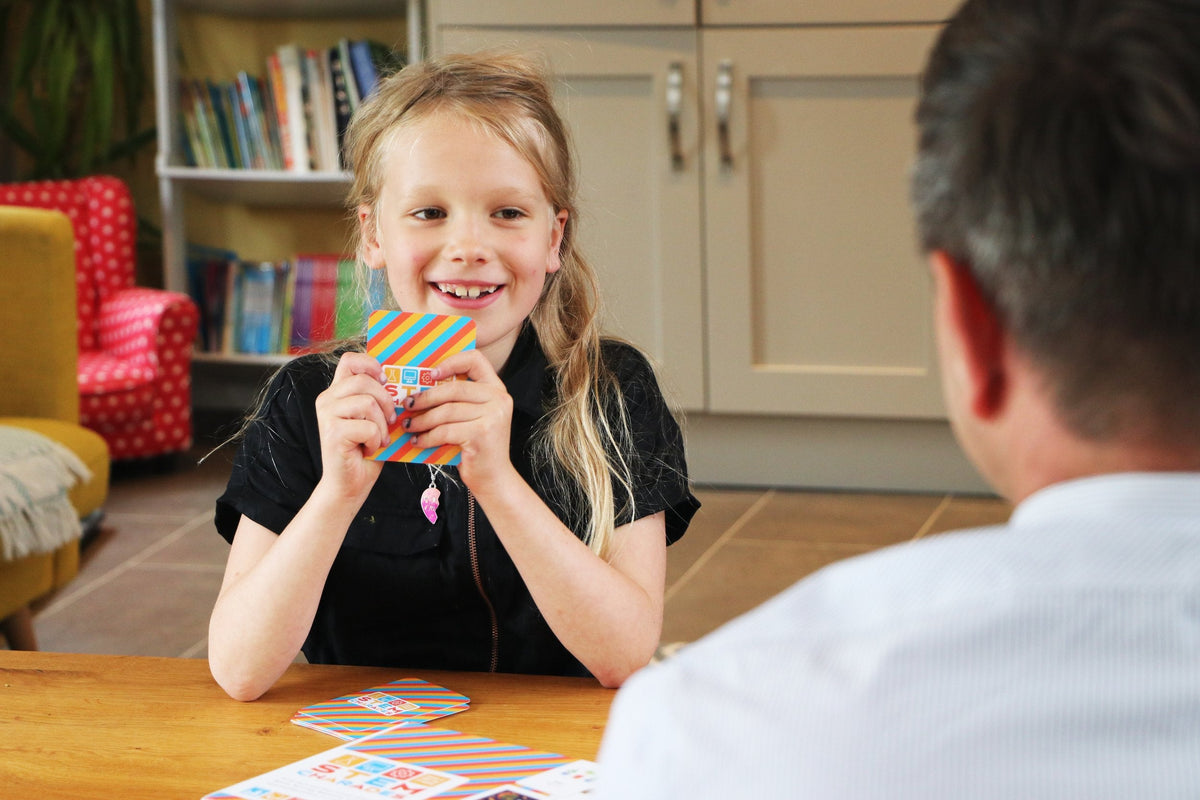
STEM Charades grew out of this work with primary teachers, as an easy way to make gesture part of everyday STEM talk. You can read more in our free article for teachers.

About Andrew
Andrew Manches is Professor of Children and Technology at the University of Edinburgh. He taught in infant and special education classrooms before moving into research, and created STEM Charades during the Move2Learn project.
More about the research behind STEM Charades

